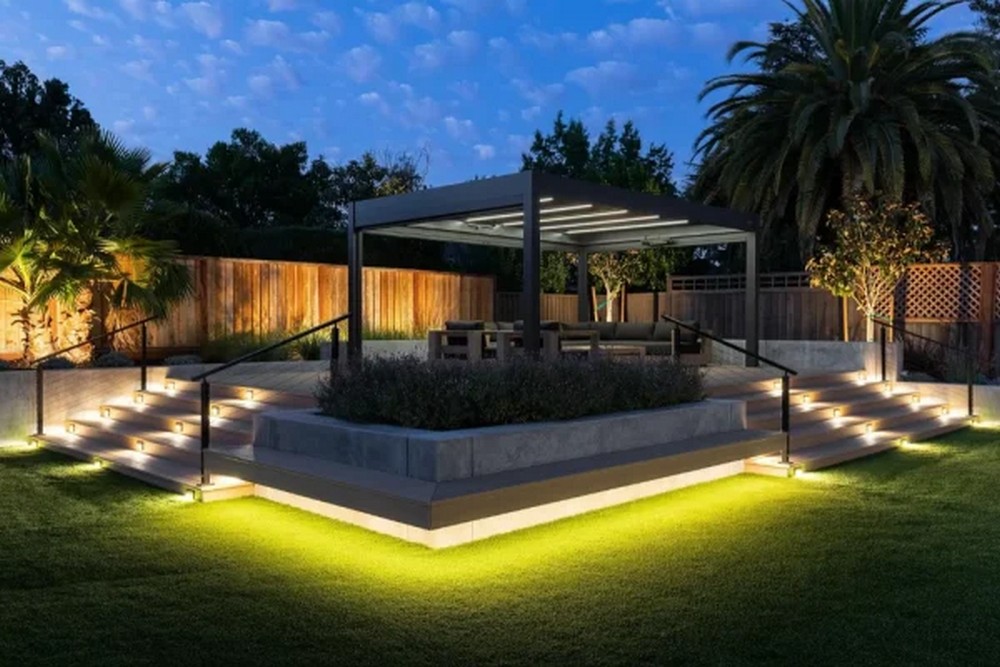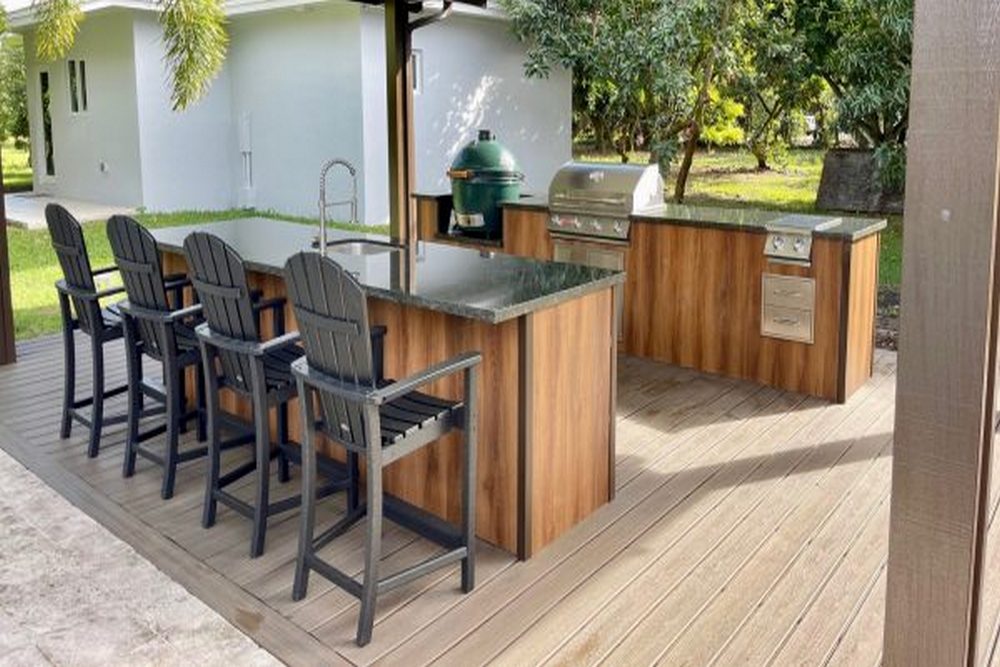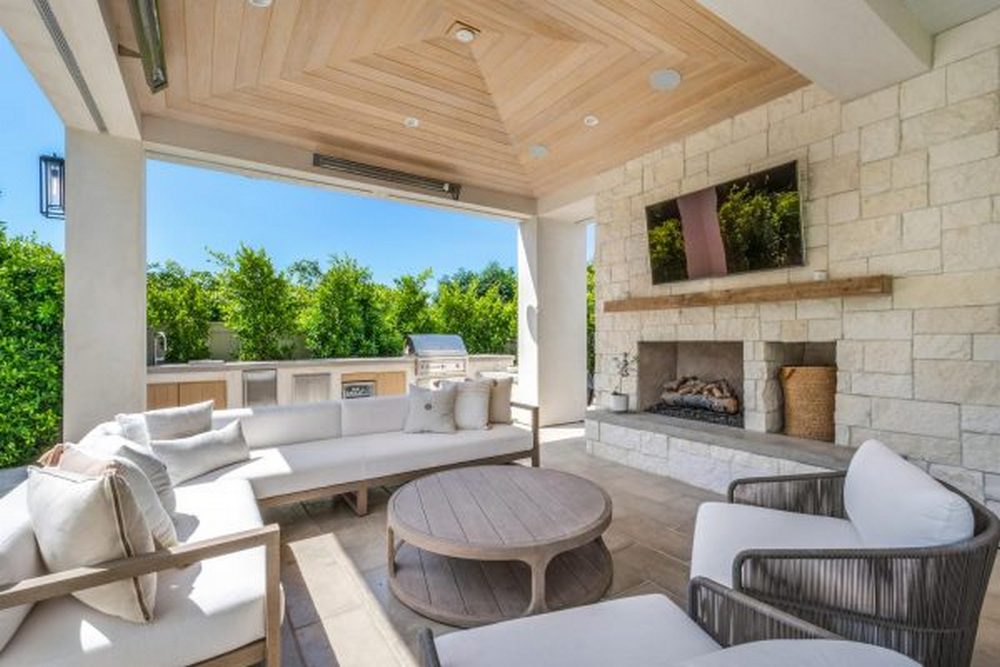
A sloped backyard can have plenty of potential, but uneven terrain can make it difficult to create comfortable areas for seating, gardening, entertaining, or other activities. A retaining wall lets you reshape parts of your yard and create more defined, level spaces. Instead of leaving a steep section unused, you can use a well-planned wall to support soil and create areas that are easier to access and maintain. This can make a noticeable difference when you want to expand your outdoor living space or organize different sections of your landscape. Depending on your property and design goals, you may use retaining walls to support a patio, define a garden bed, create additional planting areas, or establish transitions between different elevations. You can also incorporate steps or pathways into the overall design to make movement through the yard more convenient. By considering how you want to use each section of your property, you can turn challenging terrain into functional outdoor space that works better for your everyday needs
Add Structure and Character to Your Landscape
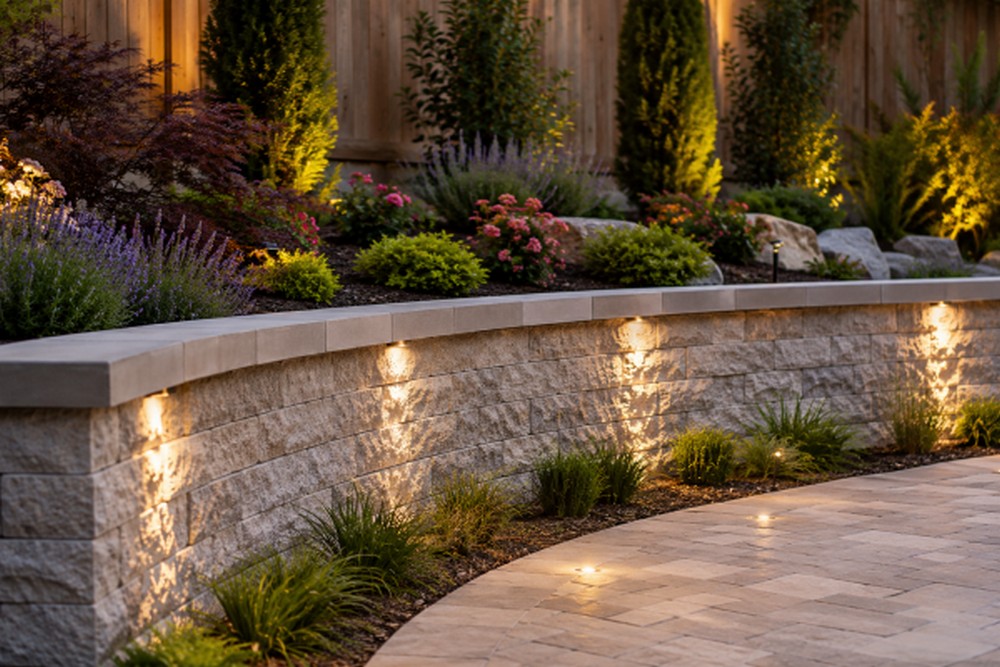
A retaining wall can serve a practical purpose while also becoming an attractive feature within your overall landscape design. You can select materials, textures, colors, and shapes that complement your home’s exterior and coordinate with other outdoor improvements. A clean, straight wall can give your yard a contemporary appearance, while natural-looking materials can create a more traditional landscape style. Curved walls can also add visual interest and help soften transitions between different sections of your property. You can use a retaining wall to frame planting beds, separate entertaining areas, or create a layered landscape that adds depth to your backyard. Pairing the wall with pavers, walkways, landscaping, or outdoor seating can make the entire space feel more connected. Instead of treating the retaining wall as a separate structure, you can incorporate it into your broader backyard design so its function and appearance work together. With careful planning, the finished feature can improve your yard’s organization while contributing to its overall character.
Use This Checklist When Planning a Retaining Wall
Before starting your retaining wall project, consider your property’s conditions and the purpose you want the structure to serve. Planning these details ahead of time can help you develop a design that fits your yard and supports your long-term outdoor goals. Use this checklist as a starting point:
These considerations can help you develop a more organized approach to your project. You can also think about how the wall will connect with patios, walkways, planting areas, or other outdoor features. Addressing these details before construction makes it easier to create a cohesive finished space that performs as intended. Thoughtful design can help you use available yard space better while maintaining an attractive appearance.
Improve Drainage and Manage Changes in Elevation
Changes in elevation can affect how water moves across your property, especially during heavy rain. Soil on a slope may shift or wash away when runoff moves through the landscape, potentially affecting planting areas, pathways, and other outdoor features. A properly designed retaining wall can help manage soil on sloped sections while incorporating drainage considerations into the overall installation. This can improve water flow and reduce problems caused by excessive moisture collecting in unwanted areas. You can also use terraced retaining walls to break a larger slope into several sections, creating landscaping opportunities while making the terrain easier to work with. Each level can serve a different purpose, from planting beds to seating areas or pathways. The result is a backyard with clearer transitions between elevations and more opportunities to use the available space. Because drainage and structural requirements depend on factors such as wall height, soil conditions, and site characteristics, professional planning is essential to creating a suitable design for your property.
Build a Backyard That Works Better for You
When your yard has uneven terrain, a retaining wall can give you more ways to organize and enjoy your outdoor space. You can create usable levels, define different areas, support landscaping, and add visual structure while working with your property’s natural shape. The right design can connect your retaining wall with patios, walkways, gardens, and other outdoor improvements to create a backyard that feels cohesive and purposeful. Adama Builders can help you plan and build a retaining wall that complements your property while supporting the way you want to use your yard. Call (619) 724-4889 to discuss your ideas and schedule a consultation. Taking the next step can help you turn uneven or underused areas into a more functional outdoor space with a design that fits your home’s style and your everyday needs.